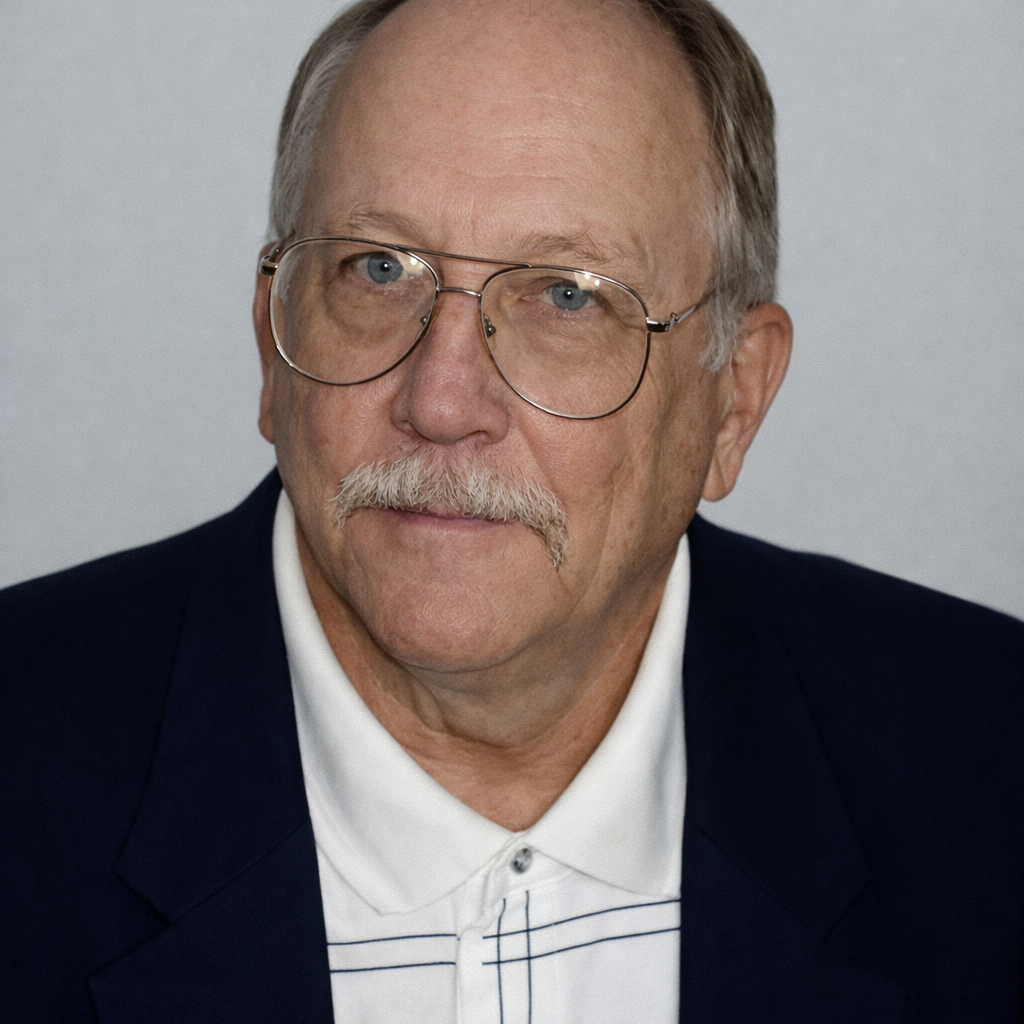
Ph. D
Dr. Robert A. Shearer is a retired professor of Criminal Justice, Sam Houston State University. He received his Ph.D. in Counseling and Psychology from Texas A & M University, Commerce. Prior to teaching Criminal Justice, he taught Educational Psychology at Mississippi State University on campus and in the extension program across rural Mississippi during the civil rights era.
He has been teaching, training, consulting and conducting research in the fields of Criminal Justice, human behavior, and addictions for over thirty-six years. He is the author of over sixty professional and refereed articles in Criminal Justice and behavior. He is also the author of Interviewing: Theories, techniques, and practices, 5th edition published by Prentice Hall. Dr. Shearer has also created over a dozen measurement, research, and assessment instruments in Criminal Justice and addictions.
He has been a psychotherapist in private practice and served as a consultant to dozens of local, state, and national agencies. His interests continue to be substance abuse program assessment and evaluation. He has taught courses in interviewing, human behavior, substance abuse counseling, drugs-crime-social policy, assessment and treatment planning, and educational psychology. He has also taught several university level psychology courses in the Texas Department of Criminal Justice Institutional Division, led group therapy in prison, trained group therapists, and served as an expert witness in various courts of law.
He has been the president of the International Association of Addictions and Offender Counseling and the editor of the Journal of Addictions and Offender Counseling as well as a member of many Criminal Justice, criminology, and counseling professional organizations prior to retirement.