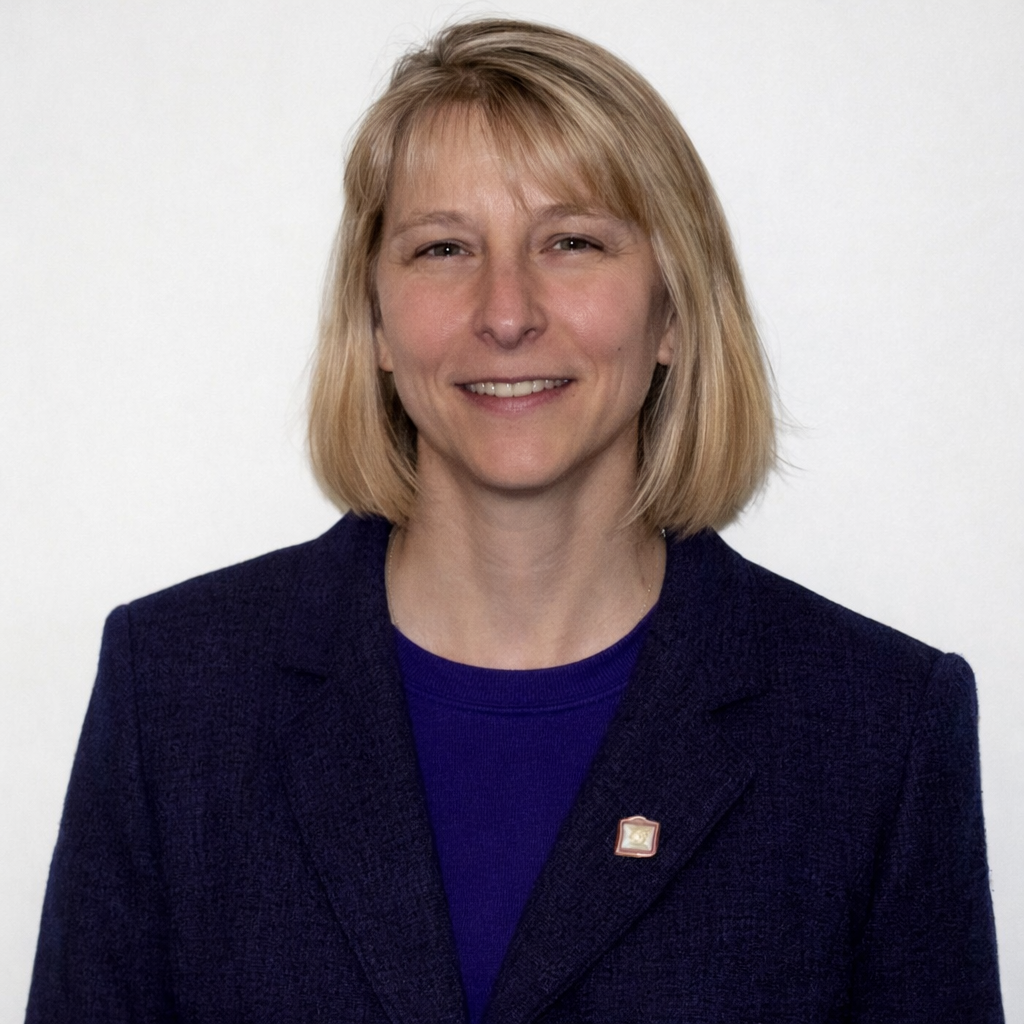
Charlotte Chapman has been in the addictions field for thirty years. She has practiced as a counselor, supervisor and program director. Charlotte has been teaching ethics for the past twenty years. She has published articles and courses on ethics for addiction professionals and has served on state and national certification boards and ethics committees. She was a Center for Substance Abuse Treatment field reviewer for the recently released TIP52: Clinical Supervision and Professional Development of the Substance Abuse Counselor. Charlotte is a licensed professional counselor, a licensed substance abuse treatment provider, a certified Masters Addictions Counselor (MAC) and a certified clinical supervisor in Virginia. She is currently the director of counseling services at the University of Virginia's Women's Center where she teaches and supervises graduate counseling students. More information is available at www.chapmantraining.com.
- Credit Hours: 3 Hours
- Author: Charlotte Chapman
- Price: $39.00
Learning Objectives
Upon completion of this course, participants will be able to:
- Identify ethical issues specific to working with special populations, including adolescents, clients with co-occurring disorders, culturally diverse clients, and criminal justice clients.
- Apply ethical decision-making frameworks to resolve dilemmas that arise when treating clients from special populations.
- Analyze how the principles of autonomy, confidentiality, and client welfare create competing obligations when working with adolescent clients.
- Describe the ethical considerations of professional competence when treating clients with co-occurring substance use and mental health disorders.
- Explain how counselor self-awareness and personal values influence ethical practice with culturally diverse and criminal justice populations.
- Assess one's own ethical preparedness for working with special populations through self-inventory and reflective practice exercises.
Package Contents
Course Details
Course Description: Ethical Practice with Special Populations covers ethical practice with four clinical populations that commonly present dilemmas for helping professionals: culturally diverse clients, clients involved in the criminal justice system, adolescent clients, and clients with co-occurring disorders. It is designed for experienced professionals who have already completed introductory ethics training and have been working in the field for several years. Each module addresses one population and explores relevant ethical principles alongside related legal and professional considerations, and includes discussion questions, a case scenario, and additional resources. Participants will complete a self-inventory examining their personal and professional reactions to these client groups and will apply course materials to their own agency or practice setting.
Date: Ongoing
Distance Learning Method: Asynchronous Reading
Target Audience: Social Workers, Substance Abuse Counselors, Criminal Justice Professionals
Refund Policy: If you request a refund within 30 days of placing your order (and prior to submitting any exams / completing any courses) we will gladly issue a refund of your money, less the processing fee and handling charge.
Course Interactivity: None
Posttest Requirements: Must score 80% or better to pass. Tests can be taken multiple times to obtain passing score.
Course Completion Requirements: Passing score on posttest. Submission of course evaluation. Course date of completion is recorded at this point.
Certificate of Completion: Issued when course is completed, available for download in Student Center
System Requirements: Internet access
About the Instructor
Charlotte Chapman
Approved and Widely Recognized
CEU Matrix is approved by the following national and state accreditation boards:
CEU Matrix is approved with the following state boards:
Arkansas (ASACB), California (CCAPP #OS-07-394-0222), California (CADTP #250), Connecticut (#0115-5202), Delaware (DCB #37), Florida (FCB #5141-A), Georgia (ADACBGA #2026-4-003), Illinois (IAODAPCA #19345), Kentucky, Louisiana (LA ADRA #E026), Michigan (MCBAP), Missouri (Missouri CB #183), New Mexico (NMCBBHP #2046), North Carolina (NCSAPPB), Ohio (OCDP #50-19236), Oklahoma (OBLADS #20260153), Texas (TCB #1758-07)