
Medication Assisted Treatment of Opioid Addiction using Buprenorphine (6 hours)
- Credit Hours: 6 Hours
- Author: Robert Shearer
- Price: $78.00
Learning Objectives
Upon completion of this course, participants will be able to:
- Describe the pharmacological profile of buprenorphine, including its mechanism of action, formulations, and clinical effectiveness in treating opioid addiction.
- Apply screening and assessment procedures to evaluate patients with opioid addiction for buprenorphine treatment.
- Determine the appropriateness of buprenorphine treatment based on patient history, severity of addiction, and clinical criteria.
- Outline buprenorphine treatment protocols, including induction, stabilization, and maintenance phases.
- Identify the policies, procedures, and regulatory requirements governing the use of buprenorphine in opioid addiction treatment.
- Describe treatment considerations for special populations, including pregnant women, adolescents, geriatric patients, and individuals with psychiatric comorbidity.
- Explain strategies for managing patients with polysubstance abuse and co-occurring pain conditions during buprenorphine treatment.
- Analyze the current state of opioid addiction treatment in the United States and the role of buprenorphine within the continuum of care.
- Assess for the presence of co-occurring medical and psychiatric conditions that may affect buprenorphine treatment outcomes.
Package Contents
Course Details
Course Description: Medication Assisted Treatment of Opioid Addiction using Buprenorphine covers the use of buprenorphine in treating opioid addiction and is designed for physicians who want to make informed treatment decisions in this area. Topics include the history and current state of opioid addiction treatment, buprenorphine pharmacology and effectiveness, patient screening and assessment, treatment protocols, and policies and procedures. Physicians who complete the course will be able to determine whether buprenorphine is appropriate for a given patient, manage treatment according to established protocols, address co-occurring medical and psychosocial conditions, and identify when to refer patients for specialty addiction care. The course is taught by Robert Shearer, PhD, a retired professor and researcher with more than 36 years of experience in the fields of criminal justice, human behavior, and addictions.
Date: Ongoing
Distance Learning Method: Asynchronous Reading
Target Audience: Social Workers, Substance Abuse Counselors, Criminal Justice Professionals
Refund Policy: If you request a refund within 30 days of placing your order (and prior to submitting any exams / completing any courses) we will gladly issue a refund of your money, less the processing fee and handling charge.
Course Interactivity: None
Posttest Requirements: Must score 80% or better to pass. Tests can be taken multiple times to obtain passing score.
Course Completion Requirements: Passing score on posttest. Submission of course evaluation. Course date of completion is recorded at this point.
Certificate of Completion: Issued when course is completed, available for download in Student Center
System Requirements: Internet access
About the Instructor
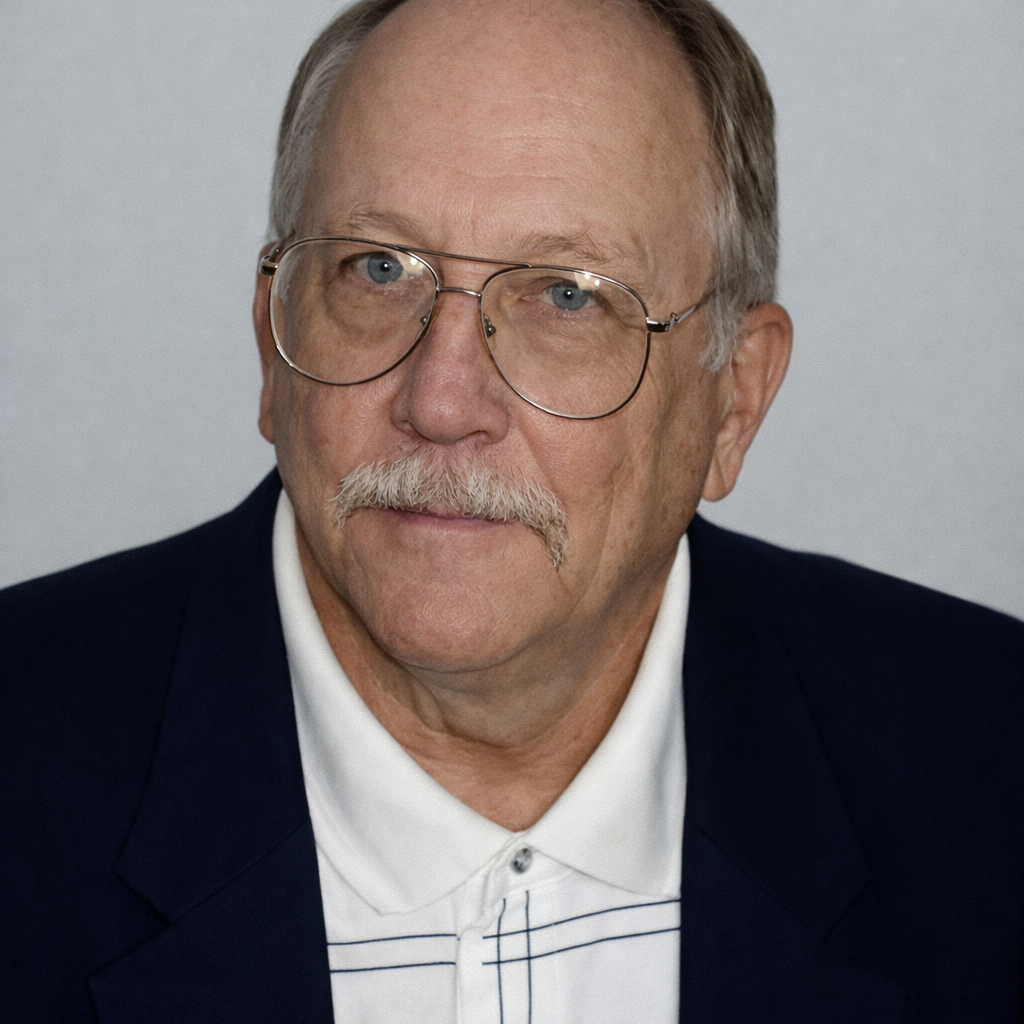
Robert A. Shearer
Dr. Robert A. Shearer is a retired professor of Criminal Justice, Sam Houston State University. He received his Ph.D. in Counseling and Psychology from Texas A & M University, Commerce. Prior to teaching Criminal Justice, he taught Educational Psychology at Mississippi State University on campus and in the extension program across rural Mississippi during the civil rights era.
He has been teaching, training, consulting and conducting research in the fields of Criminal Justice, human behavior, and addictions for over thirty-six years. He is the author of over sixty professional and refereed articles in Criminal Justice and behavior. He is also the author of Interviewing: Theories, techniques, and practices, 5th edition published by Prentice Hall. Dr. Shearer has also created over a dozen measurement, research, and assessment instruments in Criminal Justice and addictions.
He has been a psychotherapist in private practice and served as a consultant to dozens of local, state, and national agencies. His interests continue to be substance abuse program assessment and evaluation. He has taught courses in interviewing, human behavior, substance abuse counseling, drugs-crime-social policy, assessment and treatment planning, and educational psychology. He has also taught several university level psychology courses in the Texas Department of Criminal Justice Institutional Division, led group therapy in prison, trained group therapists, and served as an expert witness in various courts of law.
He has been the president of the International Association of Addictions and Offender Counseling and the editor of the Journal of Addictions and Offender Counseling as well as a member of many Criminal Justice, criminology, and counseling professional organizations prior to retirement.
Approved and Widely Recognized
CEU Matrix is approved by the following national and state accreditation boards:



CEU Matrix is approved with the following state boards:
Arkansas (ASACB), California (CCAPP #OS-07-394-0222), California (CADTP #250), Connecticut (#0115-5202), Delaware (DCB #37), Florida (FCB #5141-A), Georgia (ADACBGA #2026-4-003), Illinois (IAODAPCA #19345), Kentucky, Louisiana (LA ADRA #E026), Michigan (MCBAP), Missouri (Missouri CB #183), New Mexico (NMCBBHP #2046), North Carolina (NCSAPPB), Ohio (OCDP #50-19236), Oklahoma (OBLADS #20260153), Texas (TCB #1758-07)
Provider Statement:
CEU Matrix, provider #2726, is approved as an ACE provider to offer social work continuing education by the Association of Social Work Boards (ASWB) Approved Continuing Education (ACE) program. Regulatory boards are the final authority on courses accepted for continuing education credit. ACE provider approval period: 07/23/2026-07/23/2027.